Ferrari
Crafting flagships of legacy, innovation and longevity as ferrari evolves from automotive icon to luxury lifestyle brand.
As Ferrari expanded beyond the automotive world into luxury lifestyle and Ready-to-Wear under the creative direction of Rocco Ioannone, Sybarite was commissioned to develop a new retail concept capable of translating the brand’s heritage, craftsmanship and performance ethos into architecture. First realised in Maranello and later evolved in Milan, the flagships established a cohesive retail language that transformed Ferrari’s identity into a fully immersive spatial experience.
- Key Info
-
- Location
- Maranello & Milan, Italy
- Client
- Ferrari S.p.A.
- Services
- Architecture, Interior Design, Experiential Design, Brand Experience, Spatial Storytelling, Bespoke Fixtures
- Year
- 2019 - 2021
- Typologies
- Flagship
- Area
- 560 m2 - 1,300 m2
- Photography
- Dylan Thomas, Paola Pansini
- Collaborators
-
- Installation Design
- Country Lab
- Press
-













- Location
- Maranello & Milan, Italy
- Client
- Ferrari S.p.A.
- Services
- Architecture, Interior Design, Experiential Design, Brand Experience, Spatial Storytelling, Bespoke Fixtures
- Year
- 2019 - 2021
- Typologies
- Flagship
- Area
- 560 m2 - 1,300 m2
- Photography
- Dylan Thomas, Paola Pansini
- Installation Design
- Country Lab
Design Vision & Process
Developed in close collaboration with Ferrari, the retail strategy marked a significant evolution in the brand’s customer experience. Rather than simply creating a backdrop for product, Sybarite sought to translate Ferrari’s DNA into a spatial narrative — one that moves seamlessly between automotive engineering, Italian craftsmanship and contemporary luxury fashion.
Every element was designed to express Ferrari’s core values of performance, precision and innovation, while introducing a new visual language capable of supporting the brand’s diversification into lifestyle and Ready-to-Wear collections.
Maranello: The Foundation
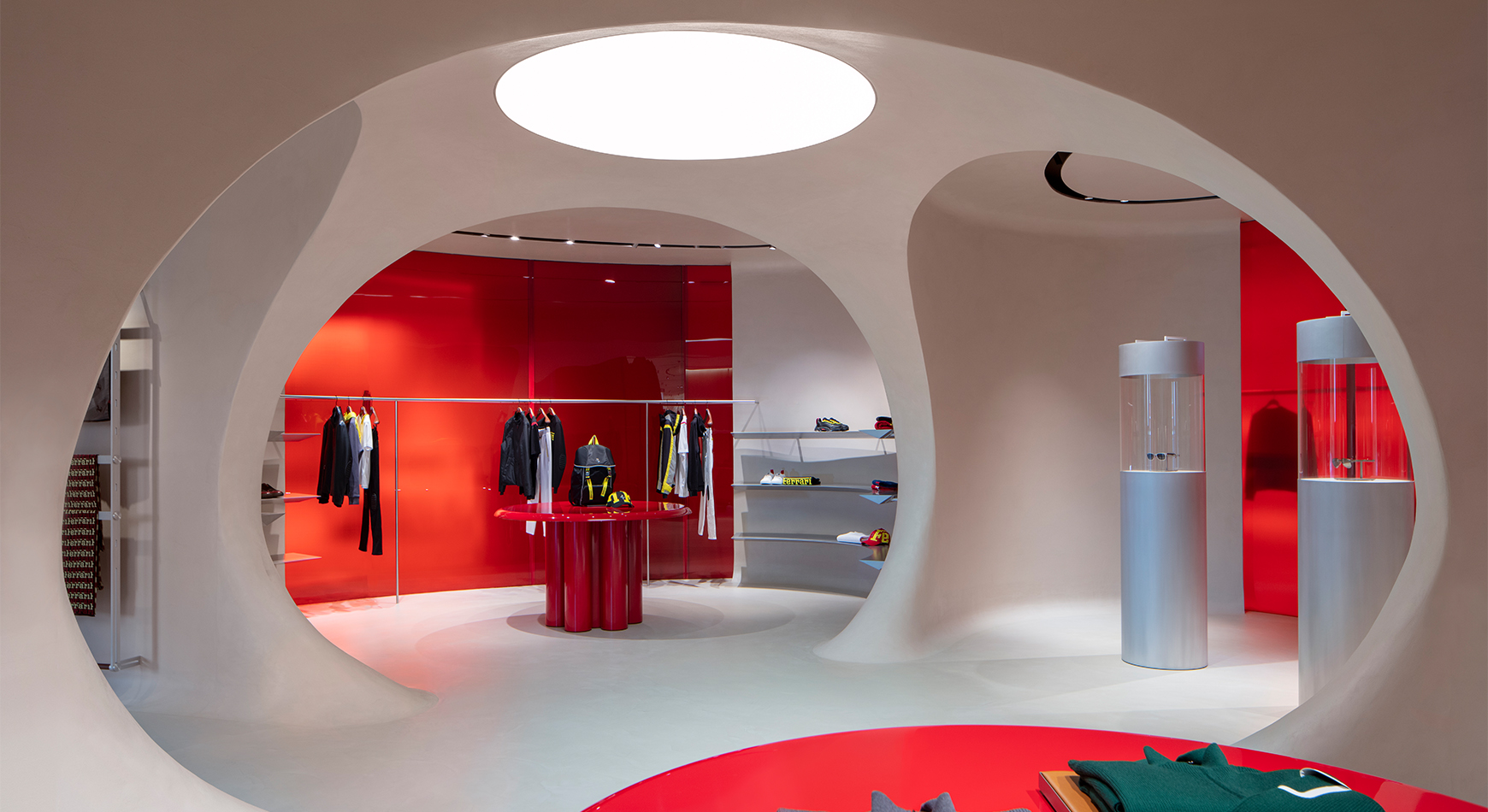
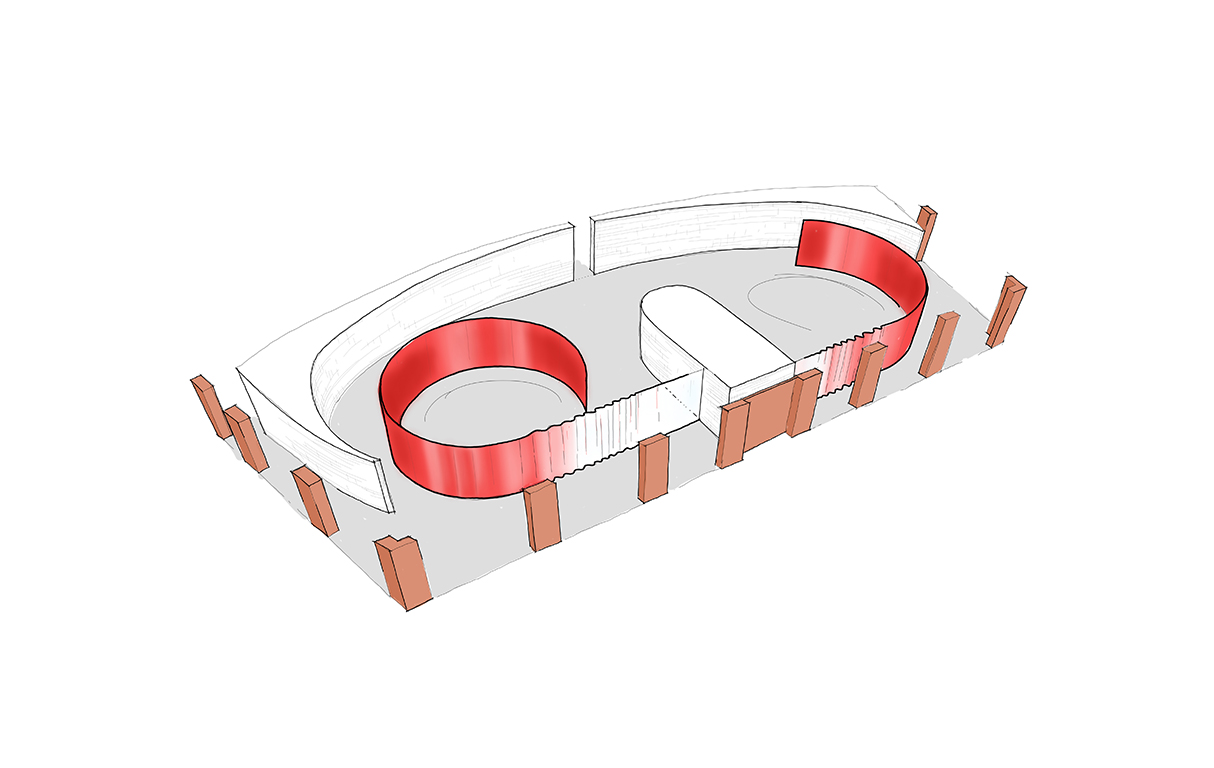
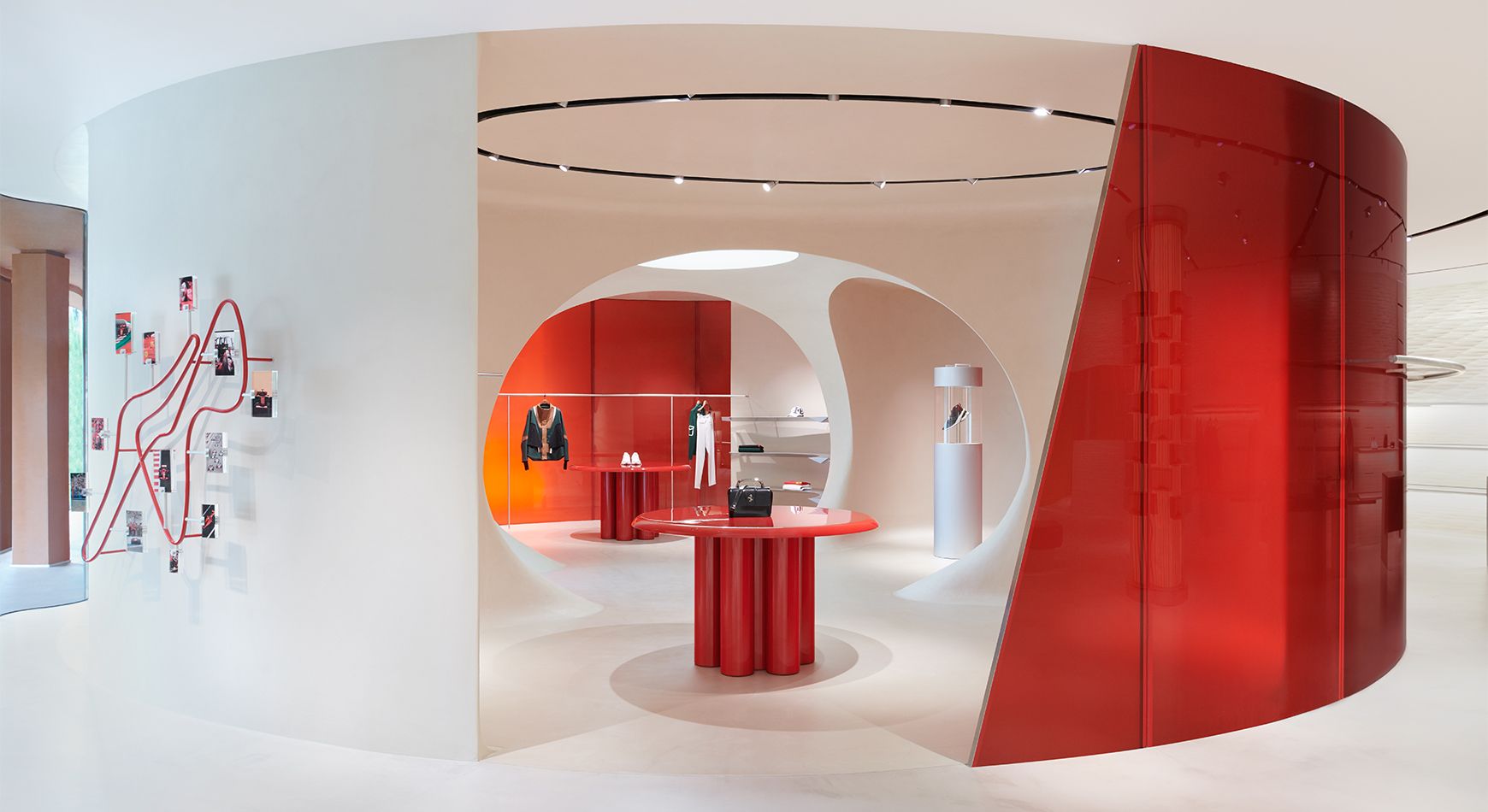
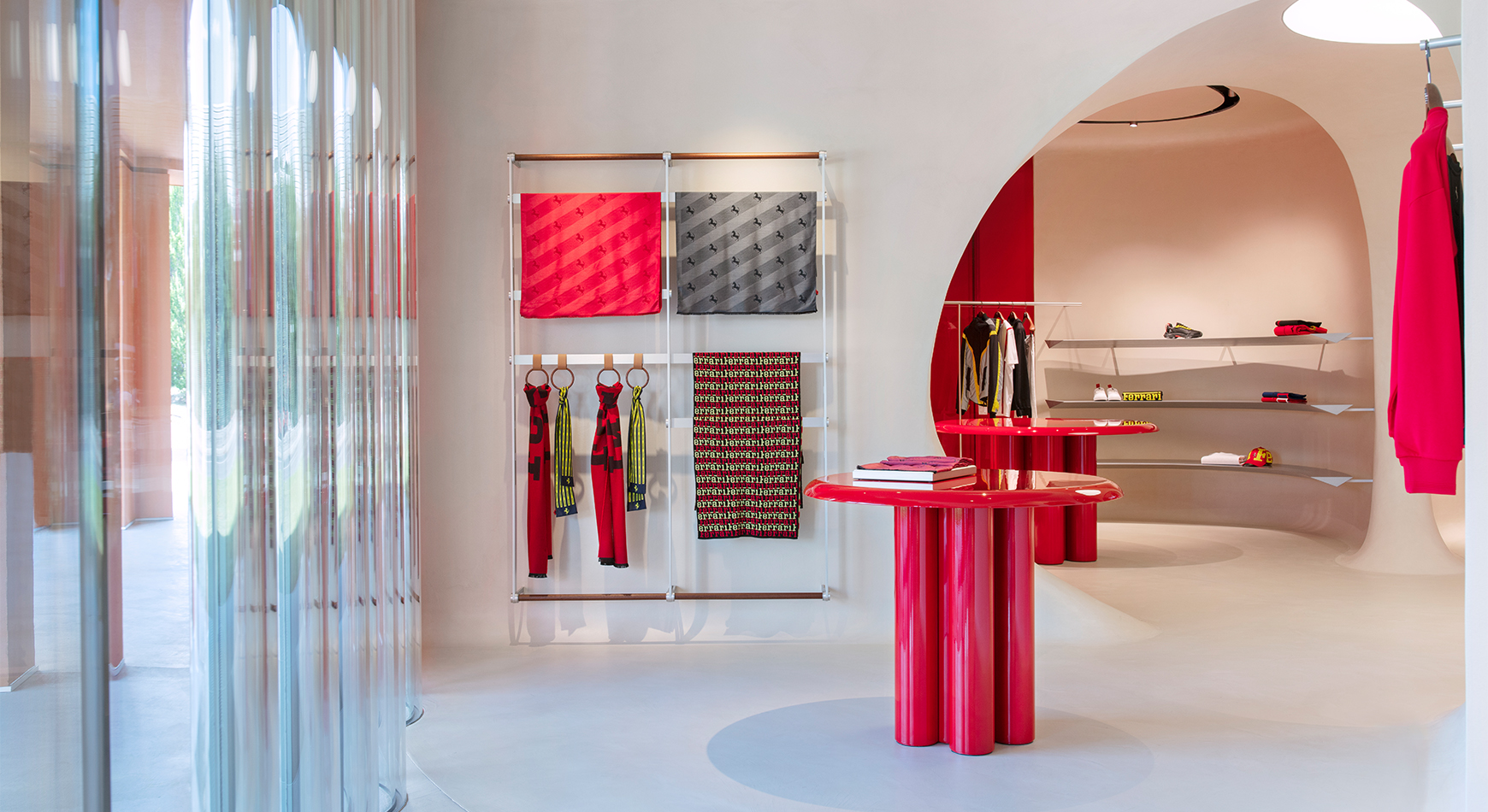
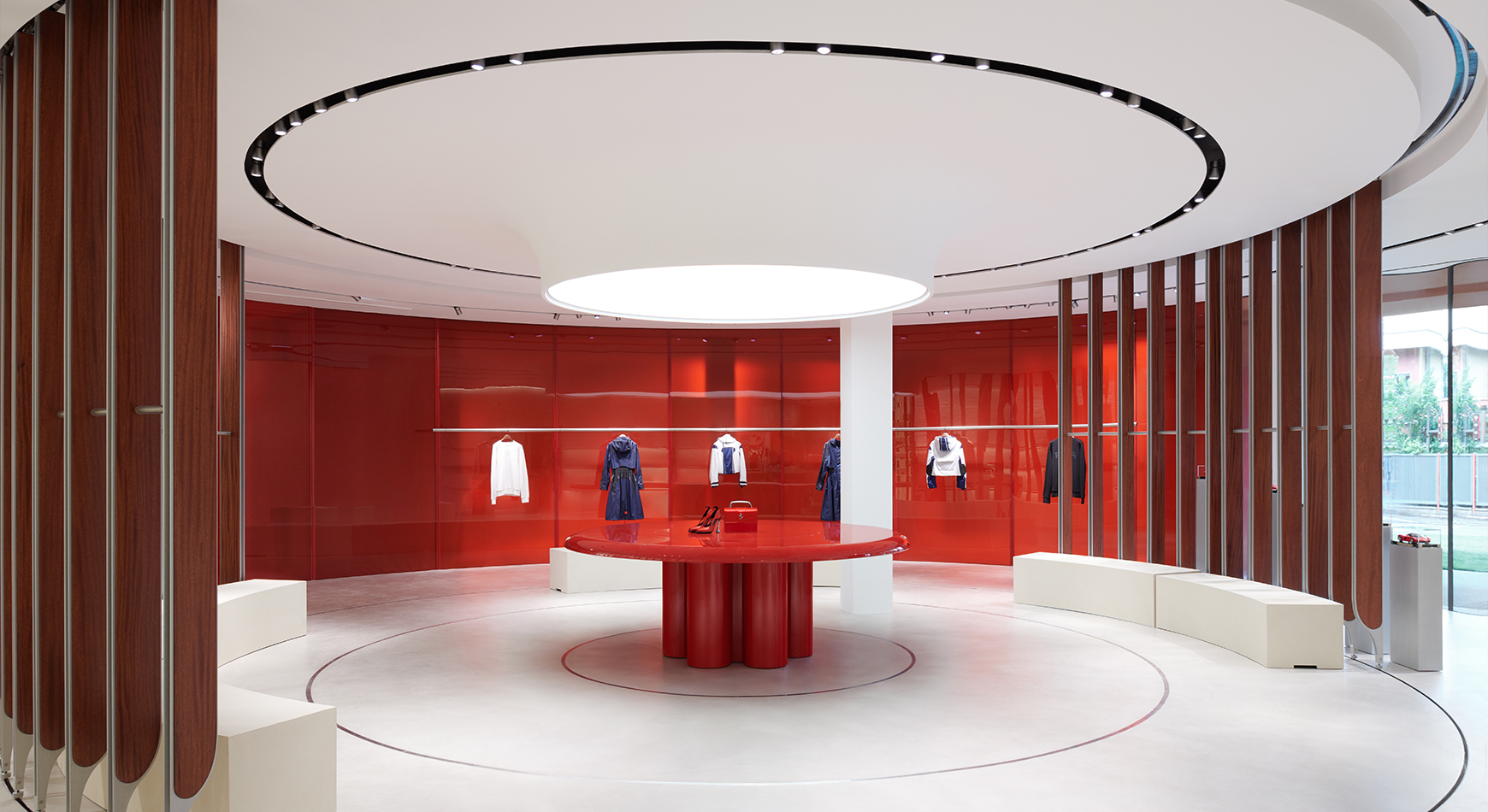
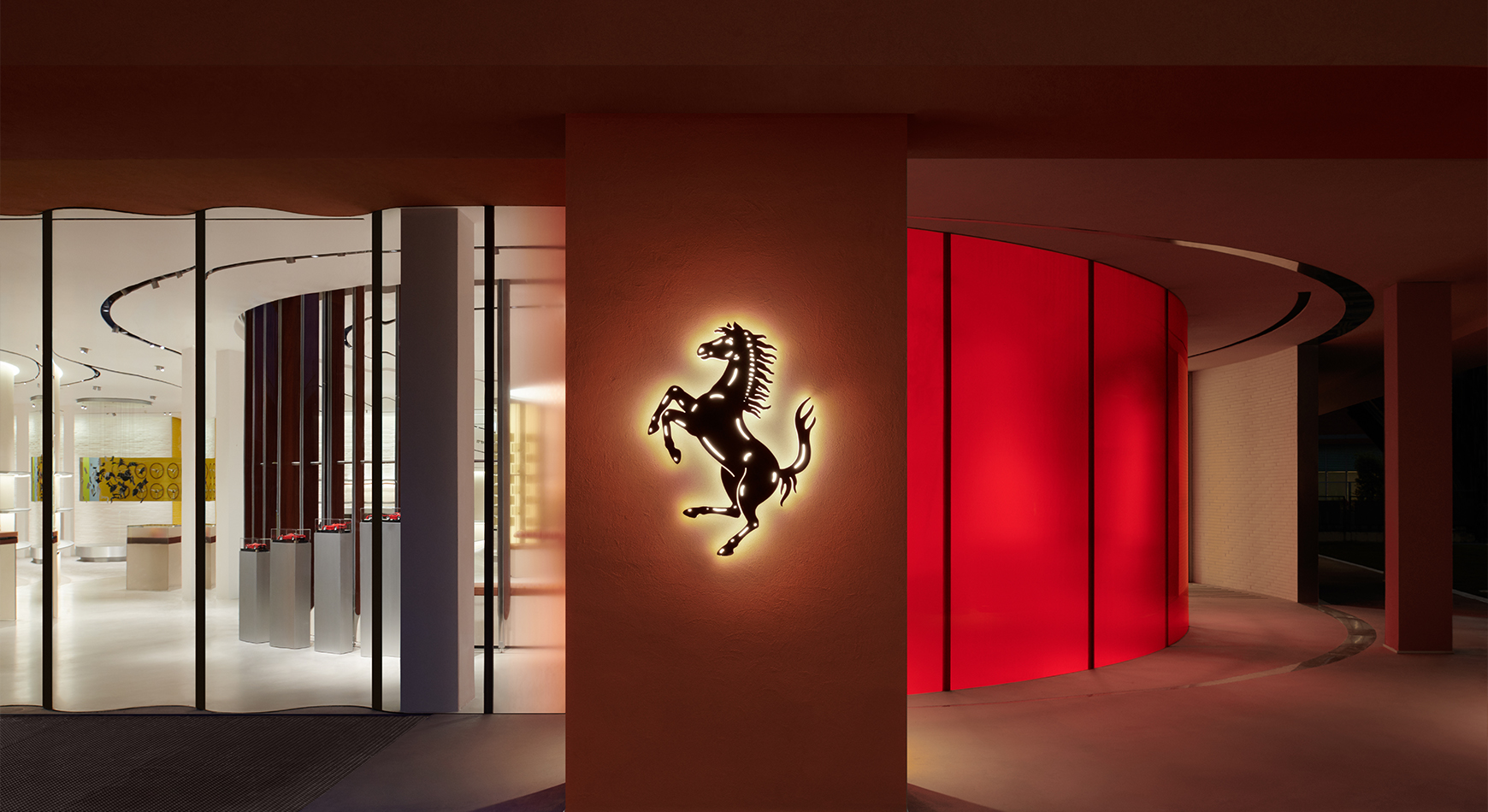
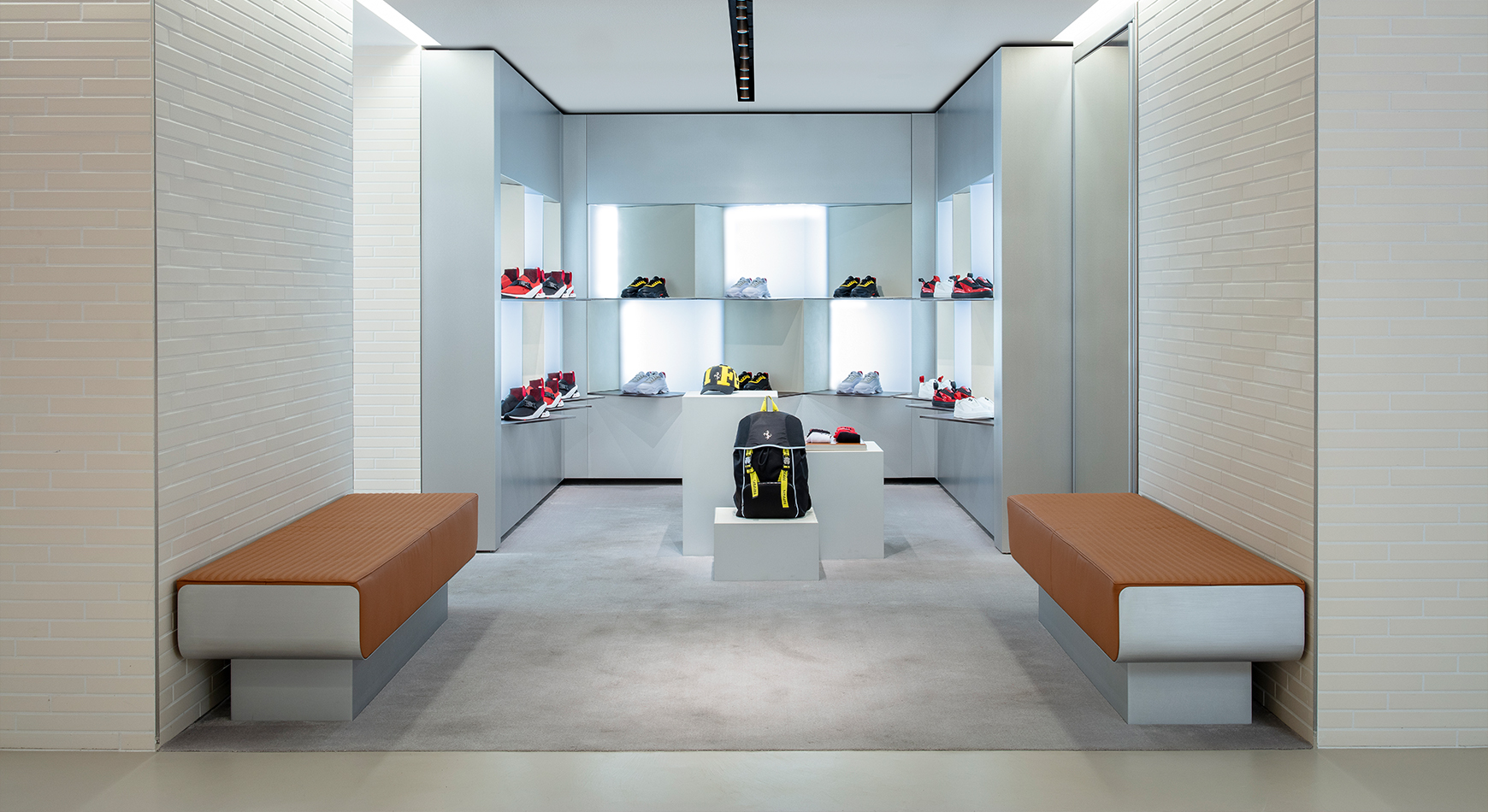
Located in the home of Ferrari, the Maranello flagship established the architectural foundations of the new retail language. Conceived as a journey through the Ferrari universe, the store translated key brand codes into a layered and highly tactile environment.
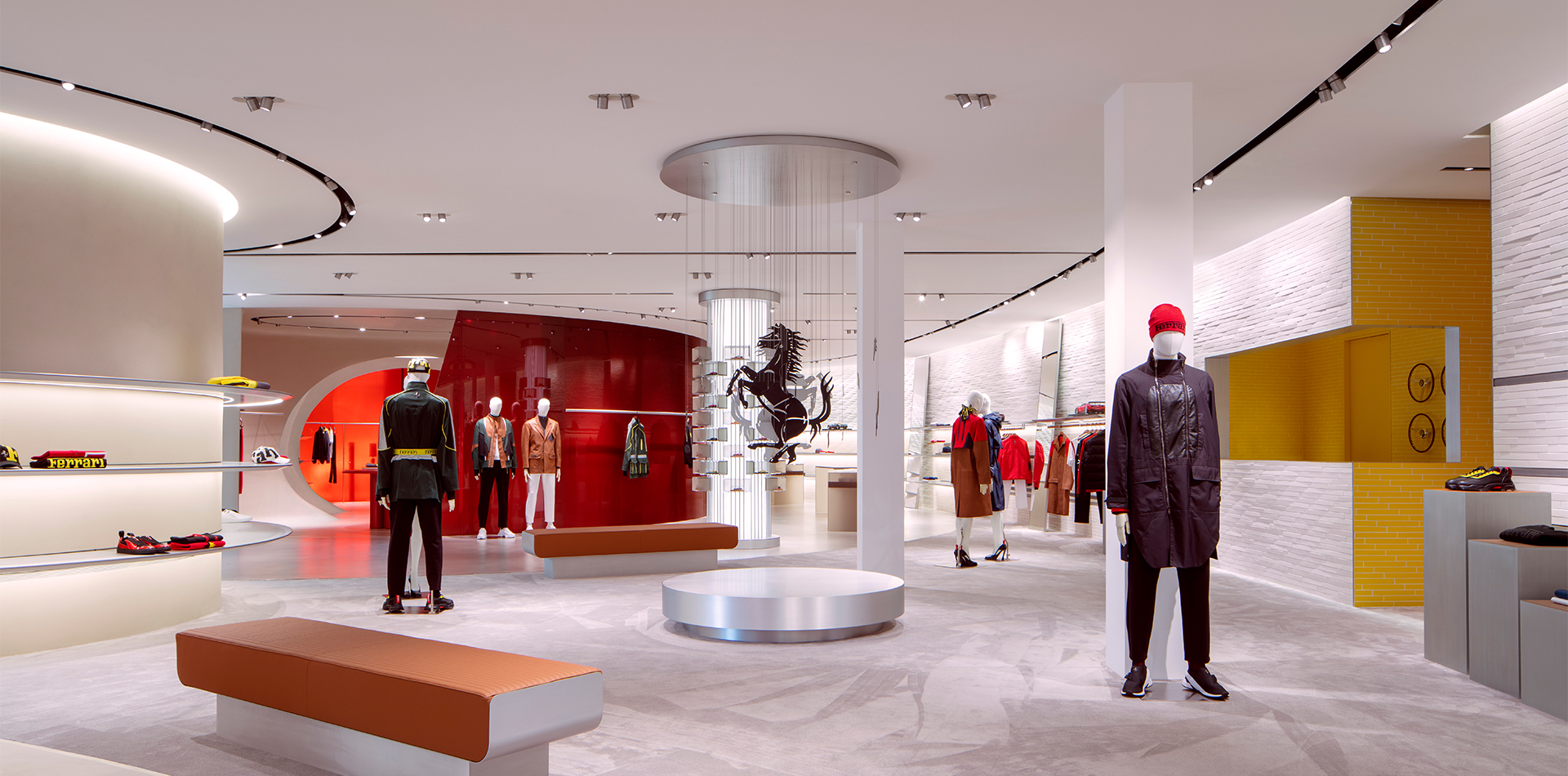
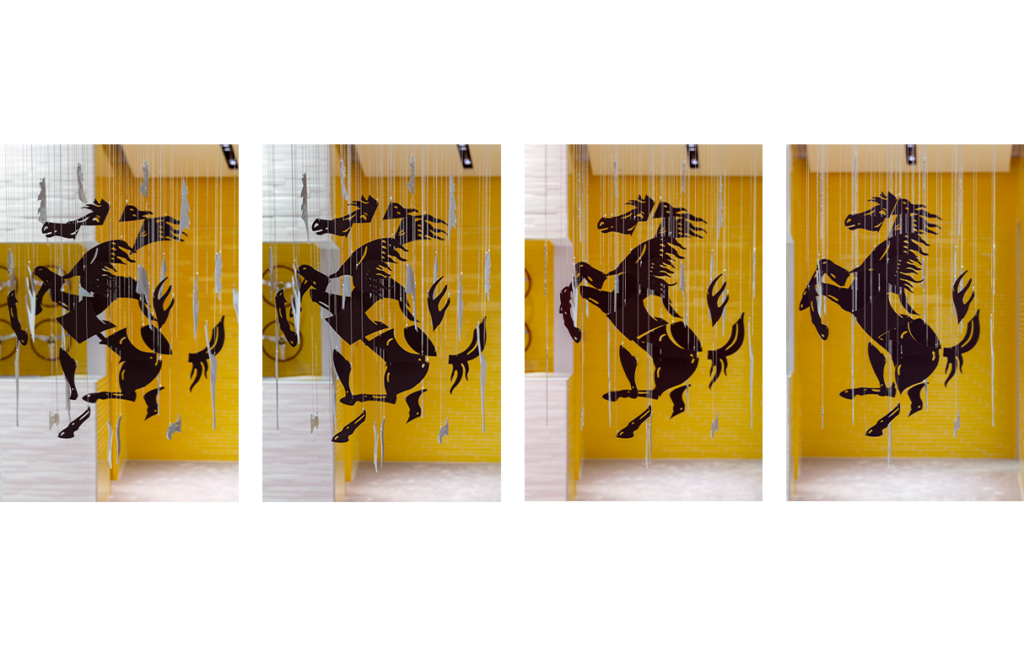
At its centre, an anamorphic interpretation of the Cavallino Rampante appears suspended in mid-air, fragmenting and reassembling itself only from selected viewpoints. Throughout the store, architectural gestures reference the Fiorano Circuit, Ferrari’s prototyping process and the craftsmanship of the factory itself, creating an experience deeply rooted in the brand’s heritage.
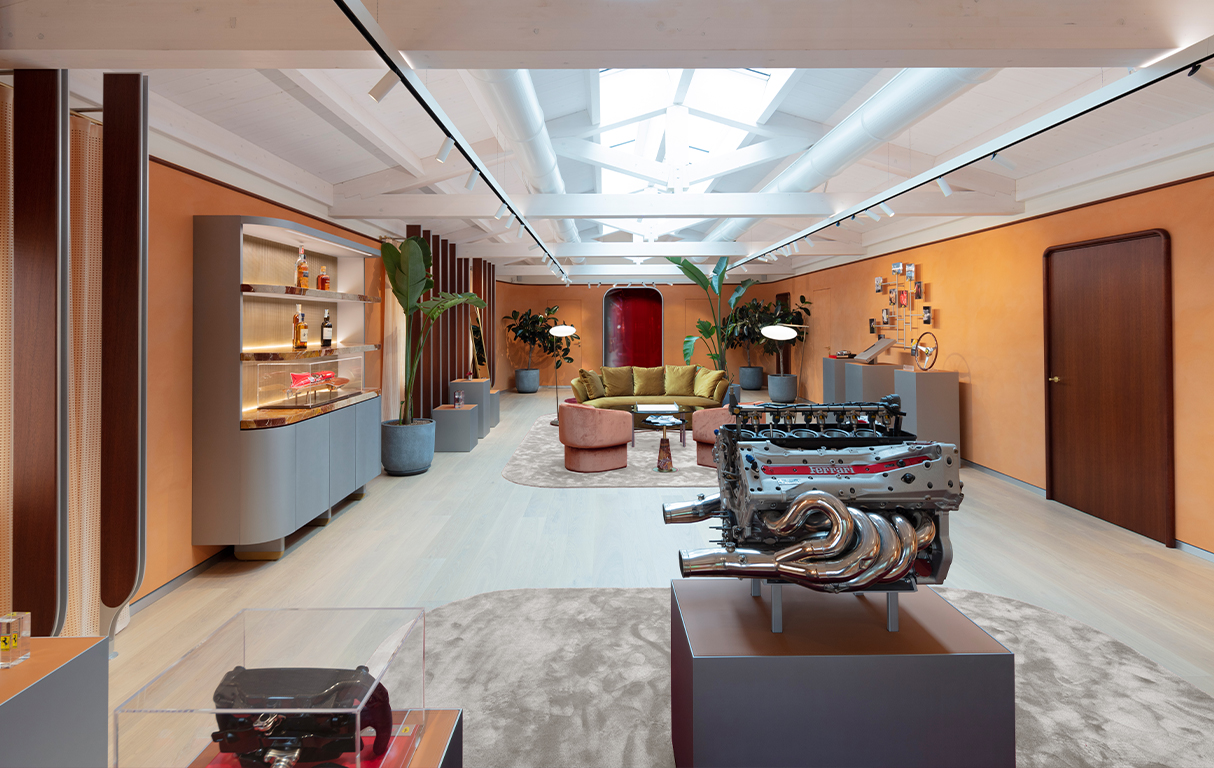
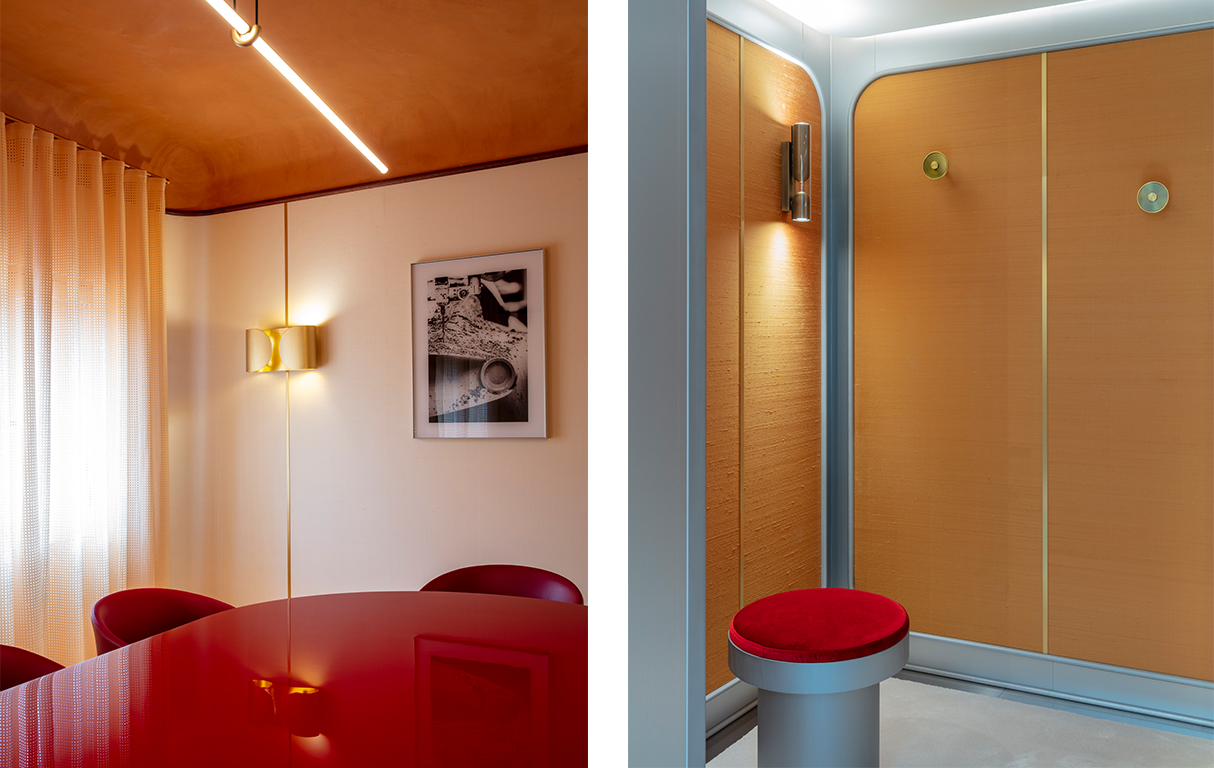
The flagship also introduced Atelier Ferrari — an invitation-only 150m² private lounge where bespoke design, exclusive collections and curated artefacts converge within a highly personalised environment, merging elegance, engineering and exclusivity.
Milan: The Urban Flagship
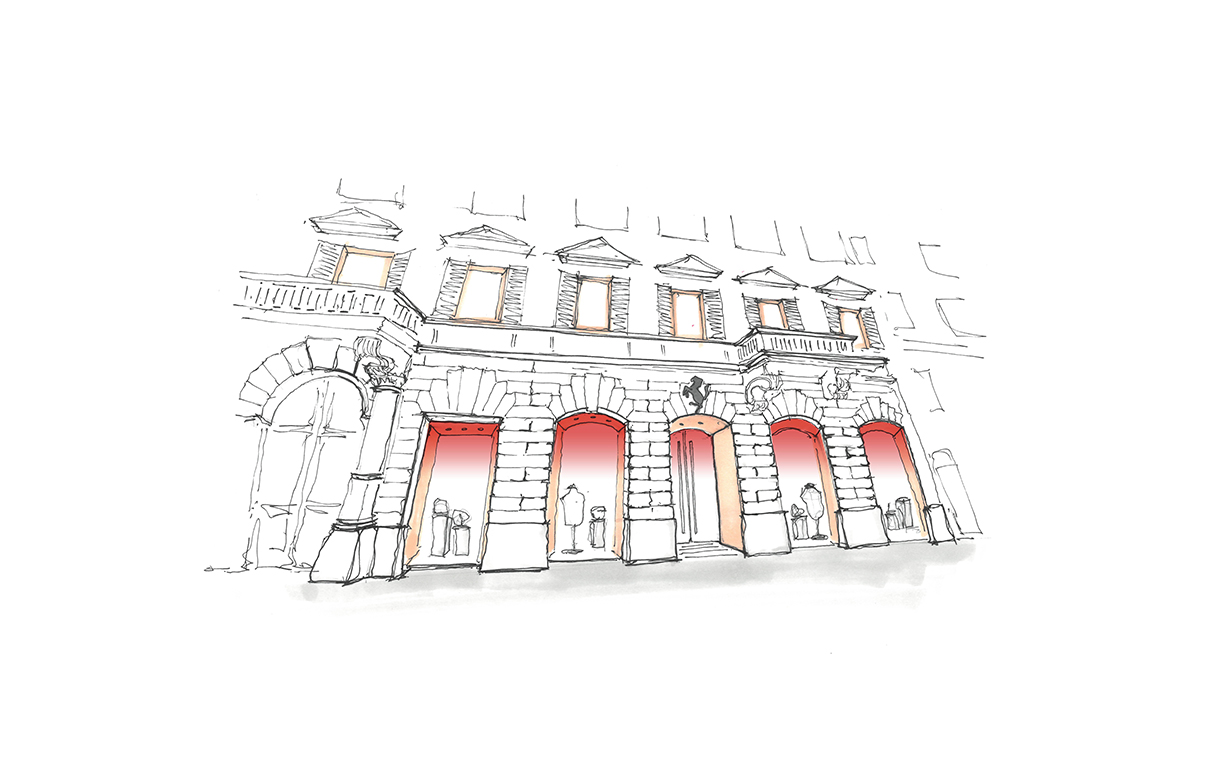
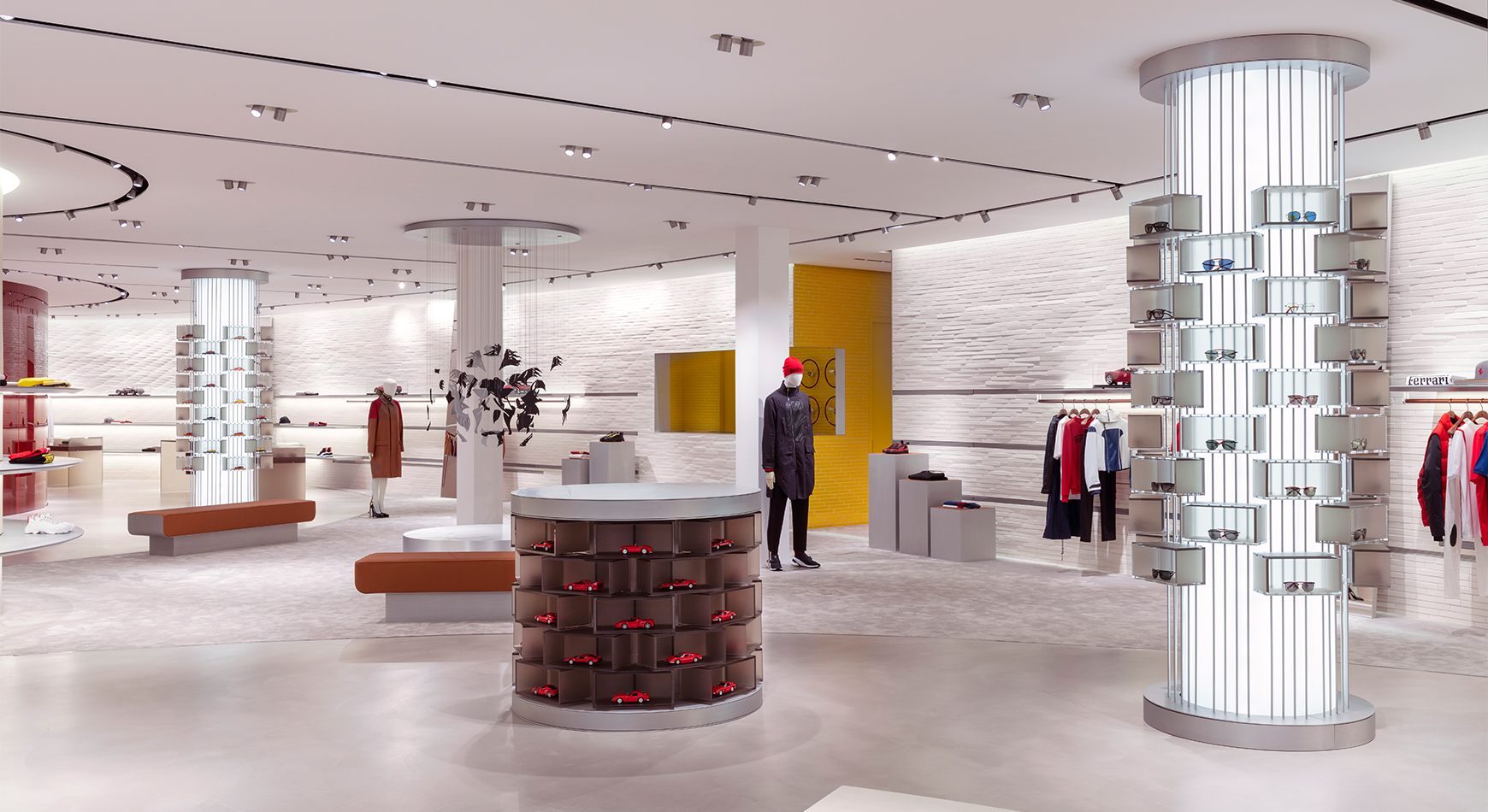
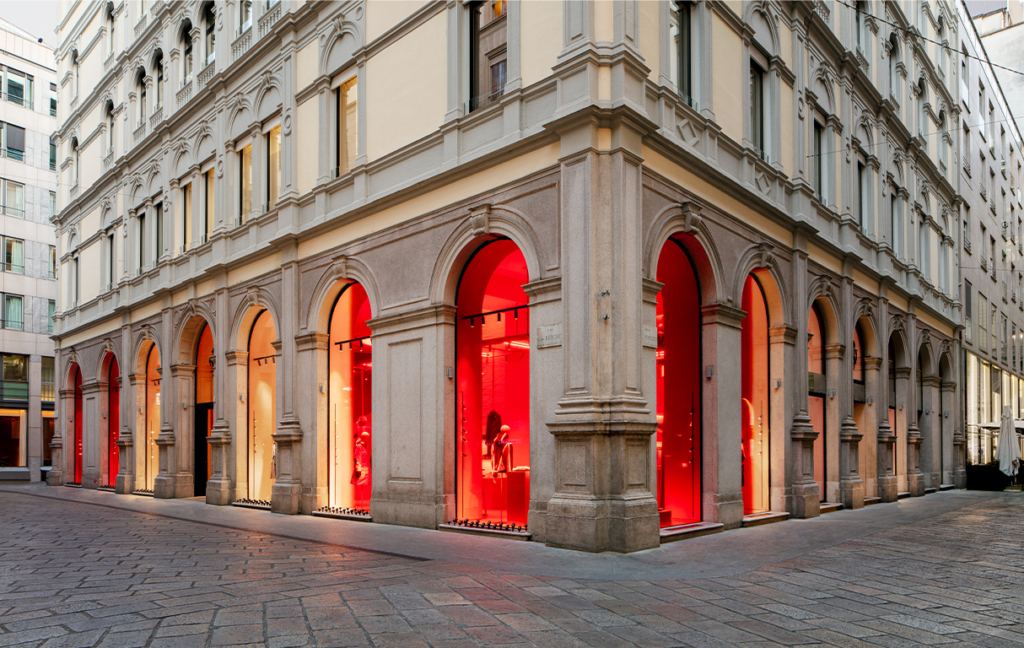
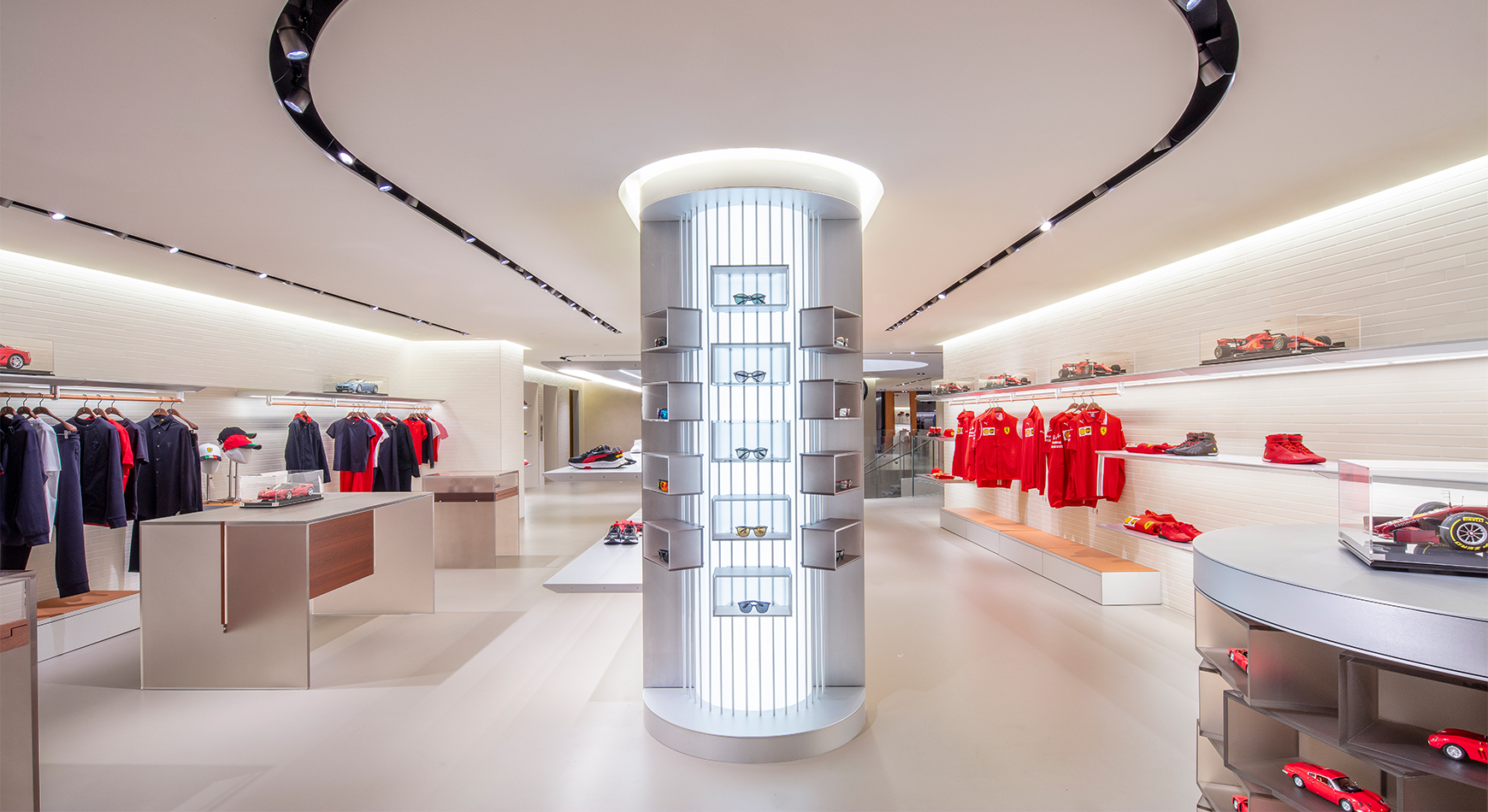
Situated beside the Galleria Vittorio Emanuele II, the Milan flagship represented the next evolution of the retail language. Spanning three interconnected levels, the store reinterpreted the architectural principles established in Maranello within one of the world’s most prestigious retail destinations.
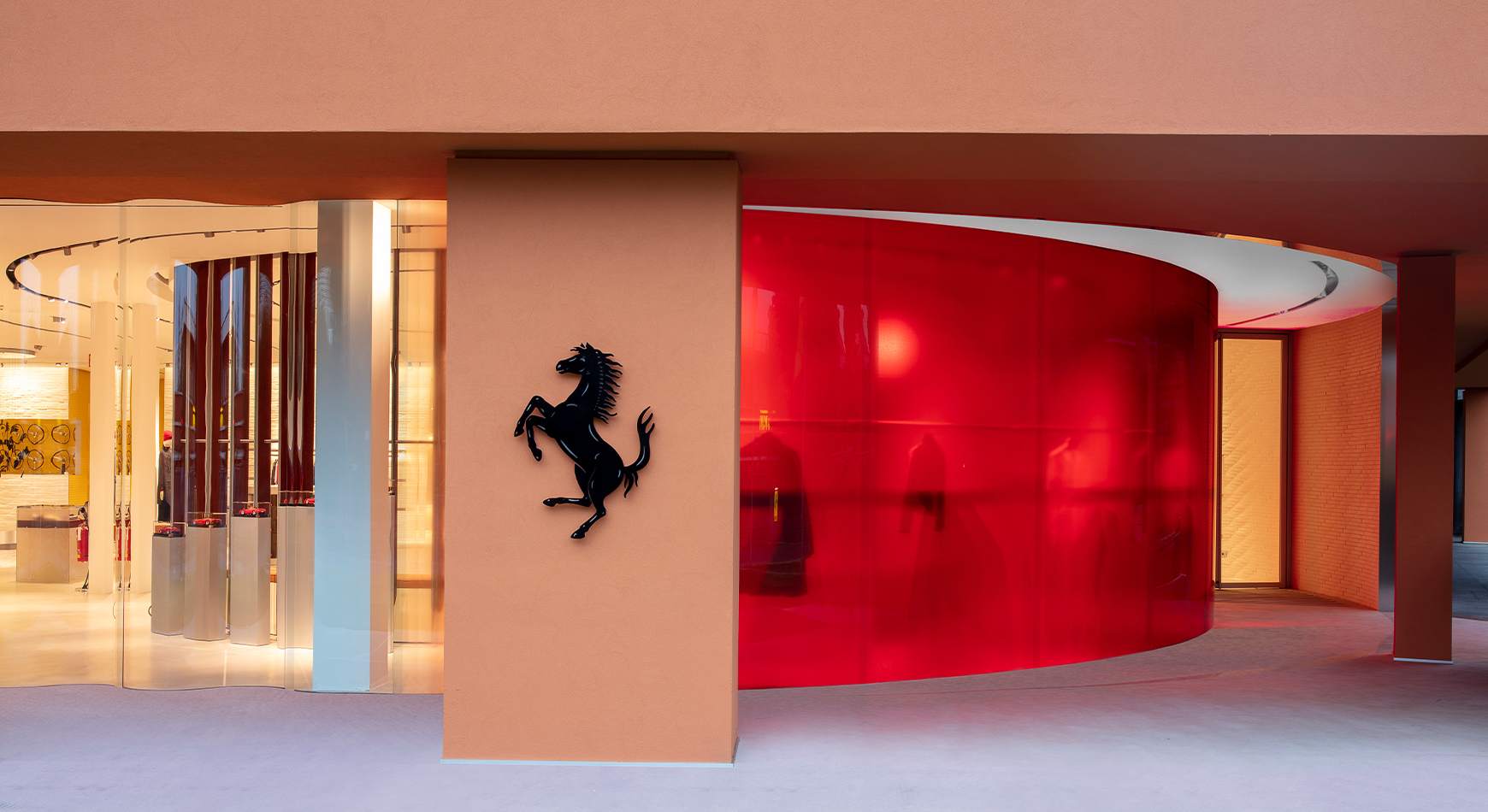
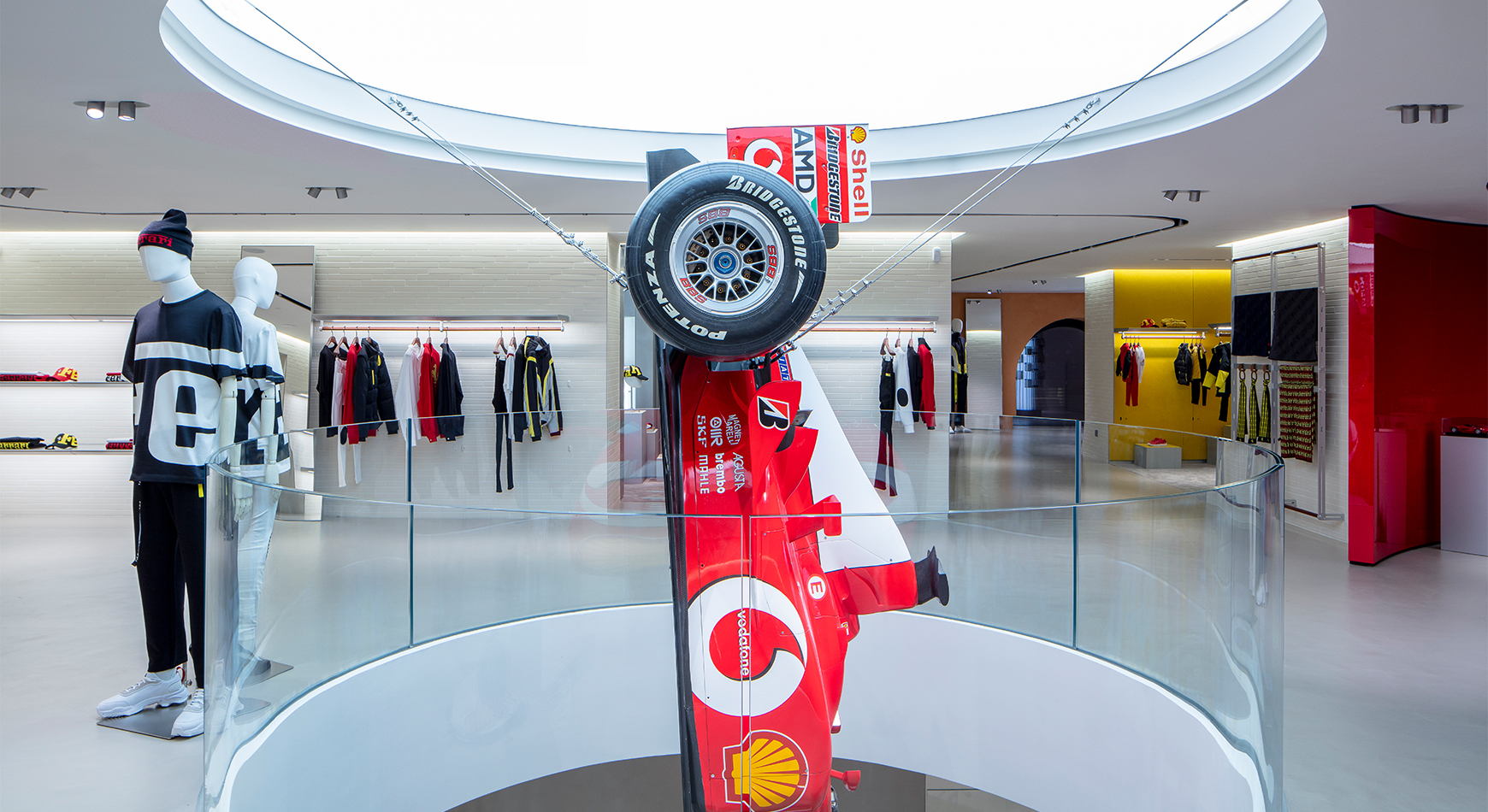
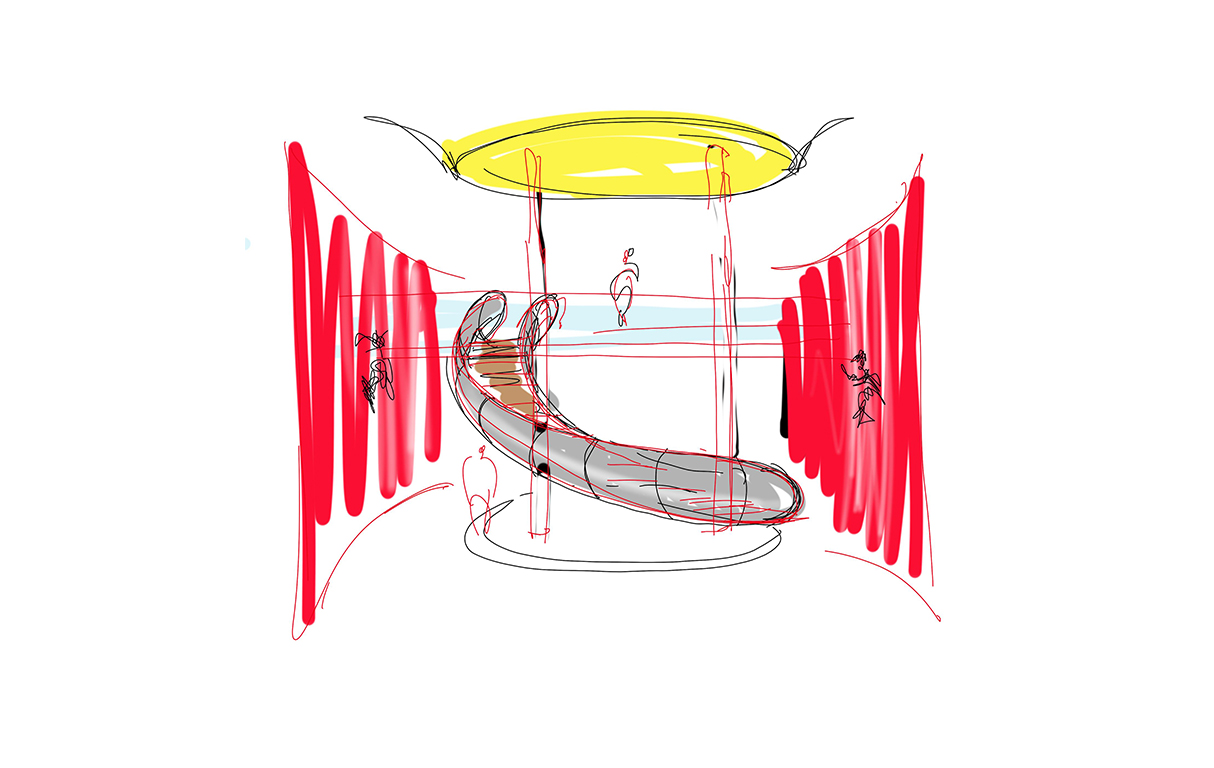
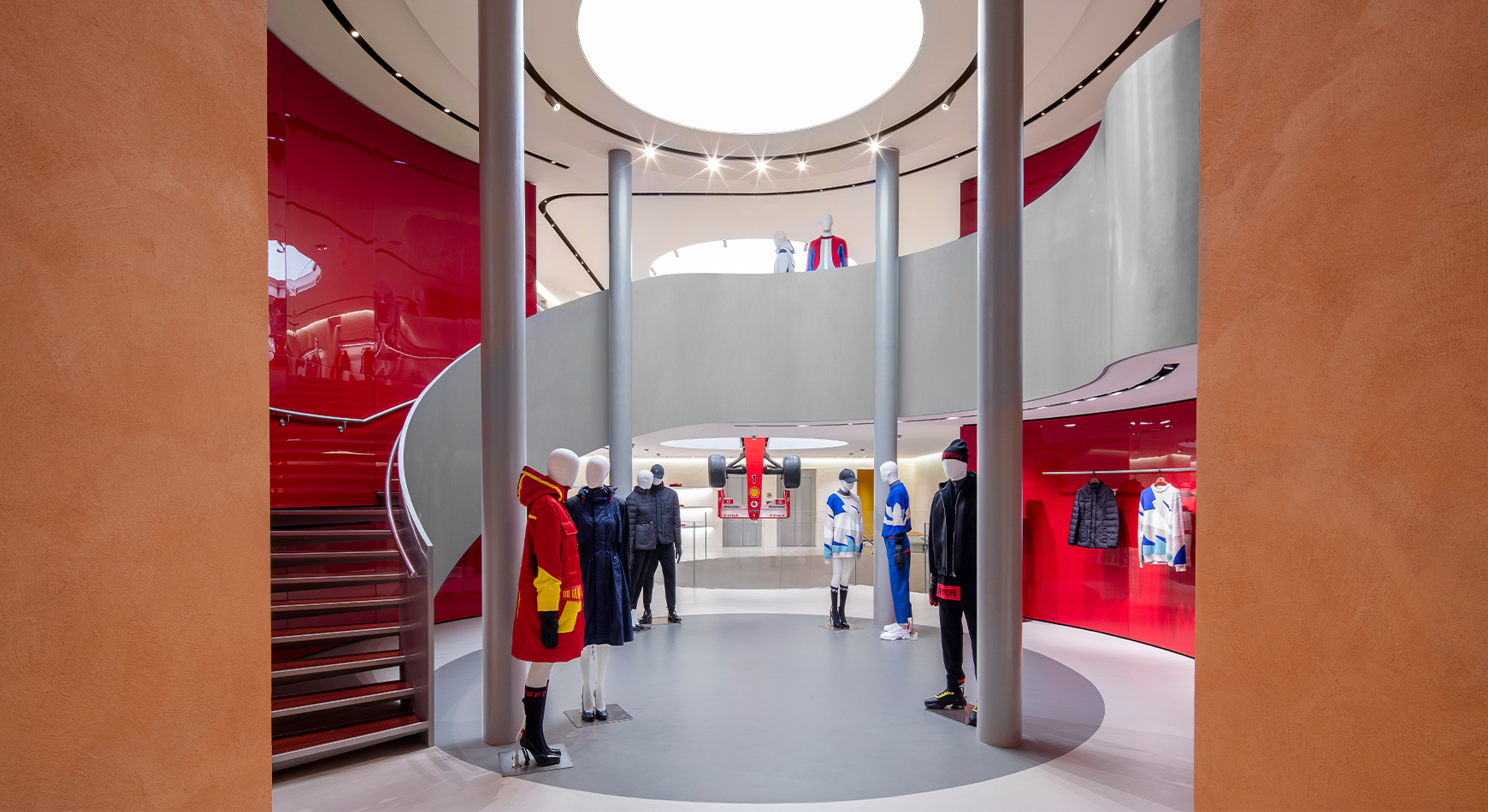
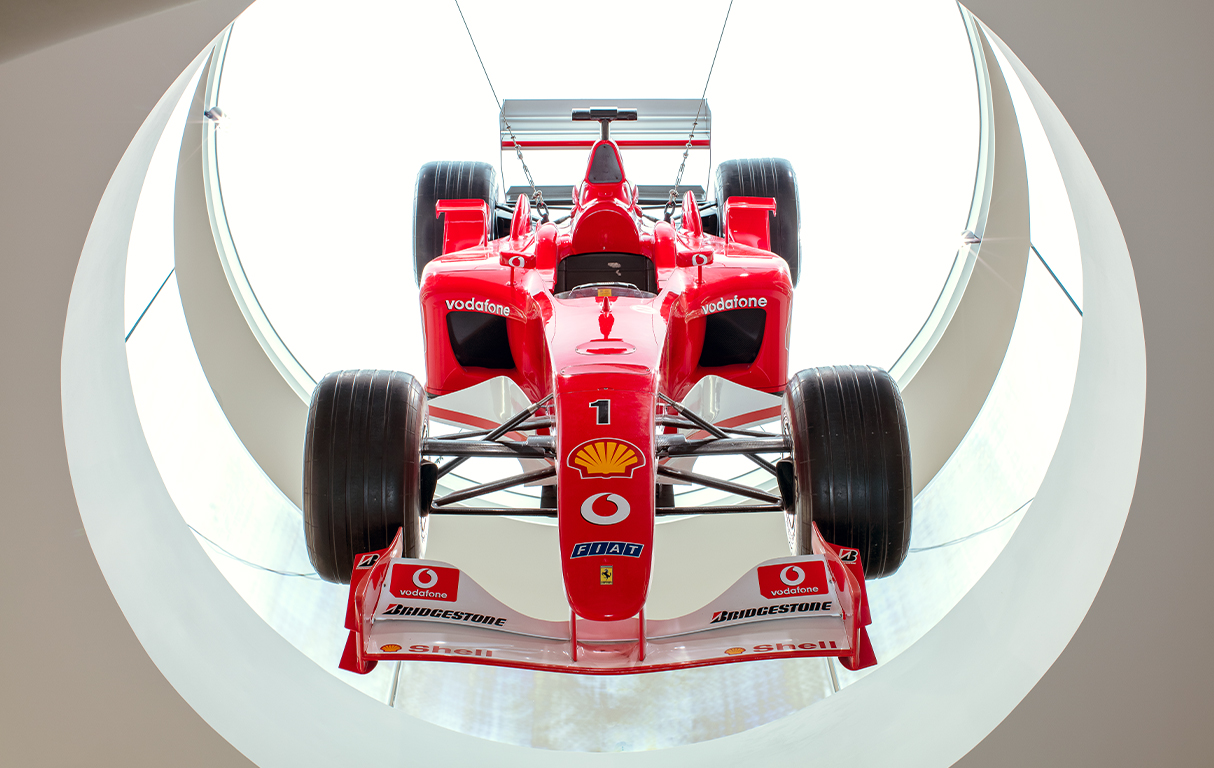
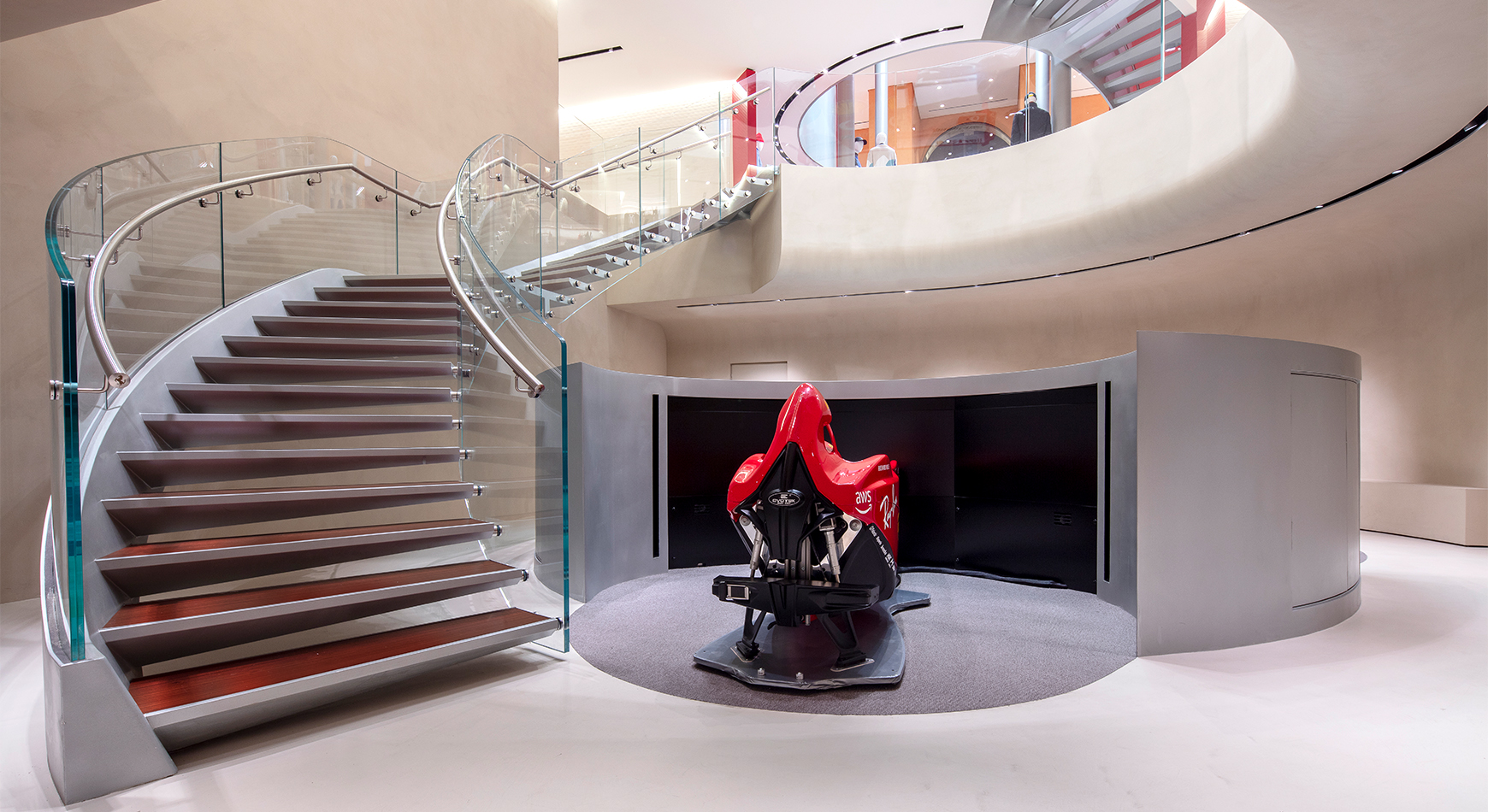
Visitors are drawn into the space through a series of grand arched windows that frame carefully curated glimpses of the interior beyond. A dramatic central staircase and suspended Formula 1 car anchor the customer journey, creating a powerful focal point visible across all levels.
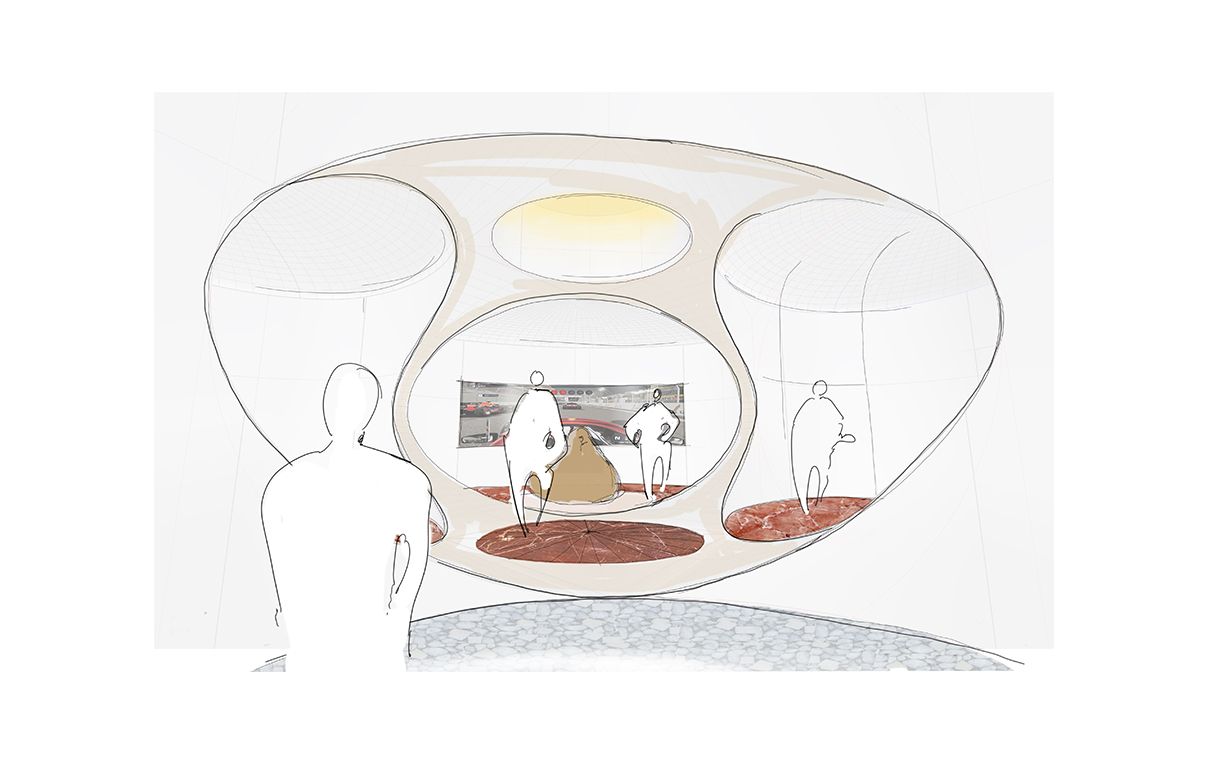
Experiential elements unique to Milan, including Formula 1 simulators, immersive digital installations and a bespoke collectible vending machine developed in collaboration with Country Lab, introduced new forms of engagement while broadening Ferrari’s appeal to a new generation of luxury consumers.
Materiality & Ferrari DNA
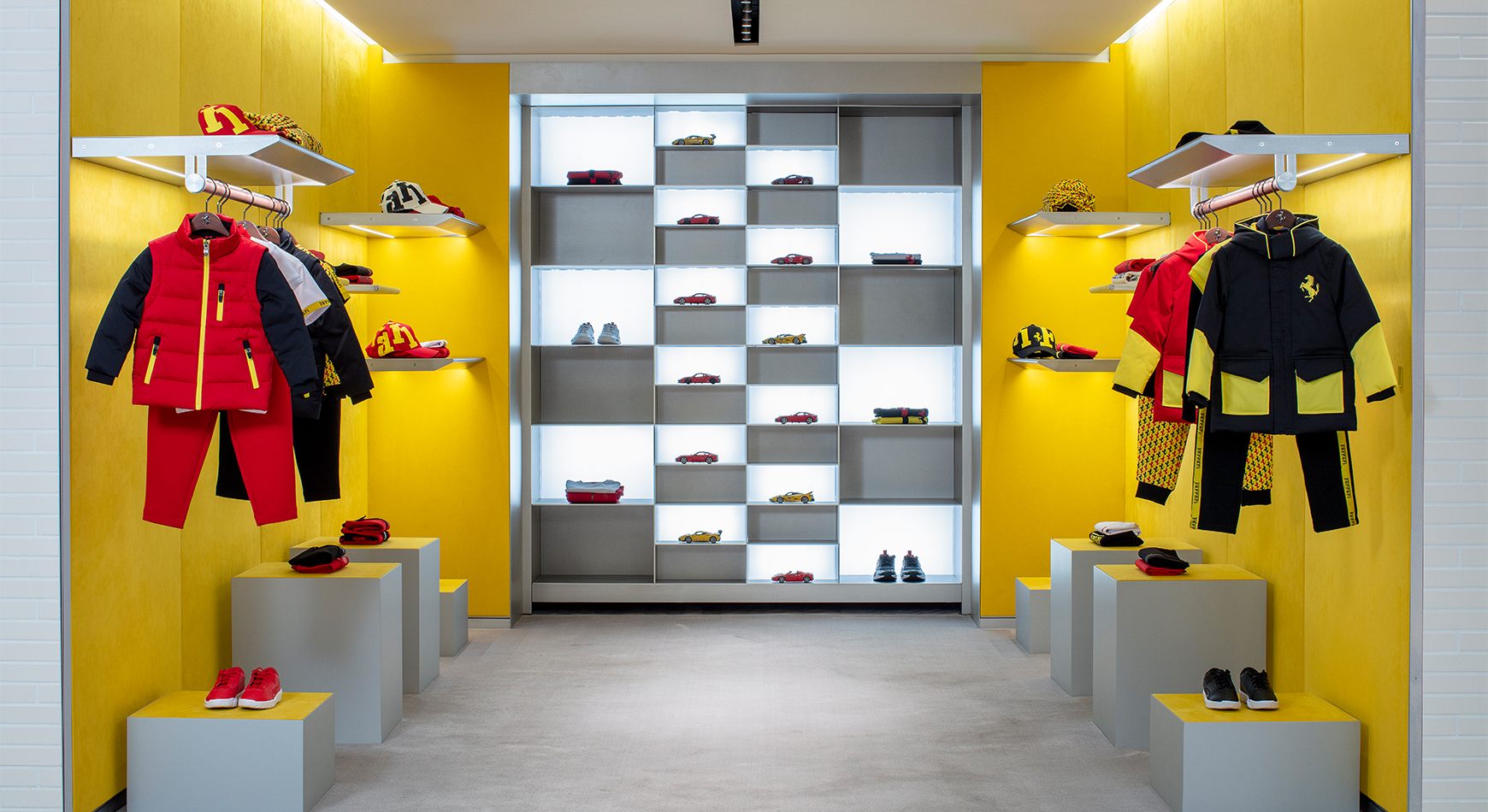
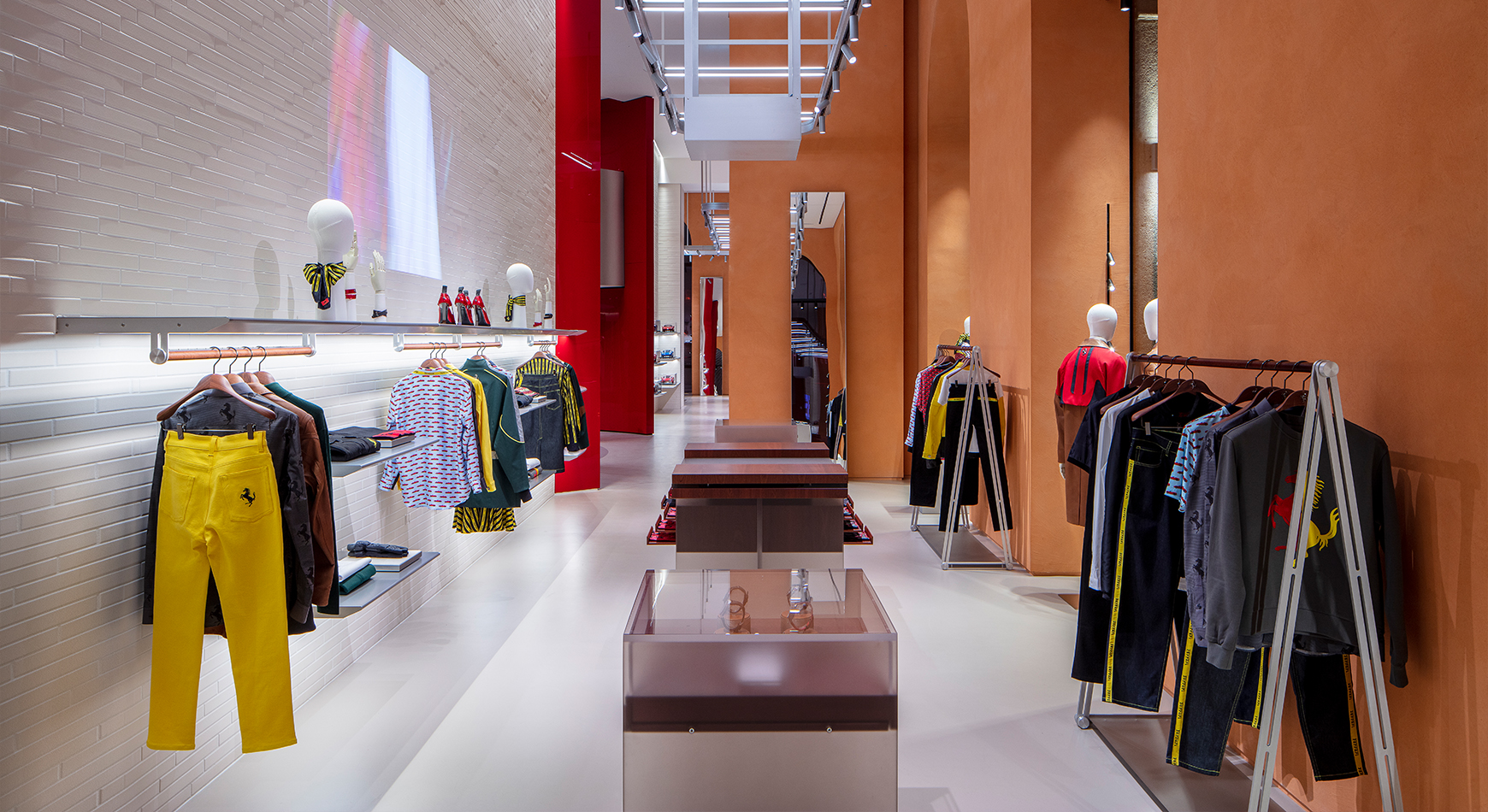
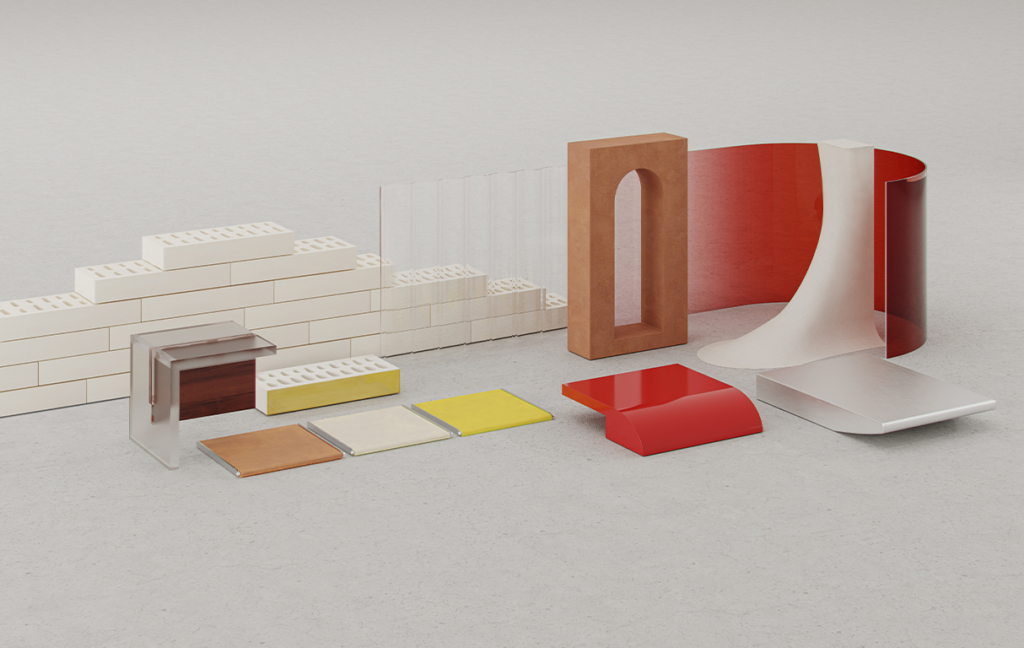
Materiality became a primary vehicle for storytelling across both flagships. A distinctly Italian palette of terracotta, clay, glass, brushed aluminium, leather and Alcantara was carefully curated to express Ferrari’s origins while reinforcing its commitment to innovation and craftsmanship.
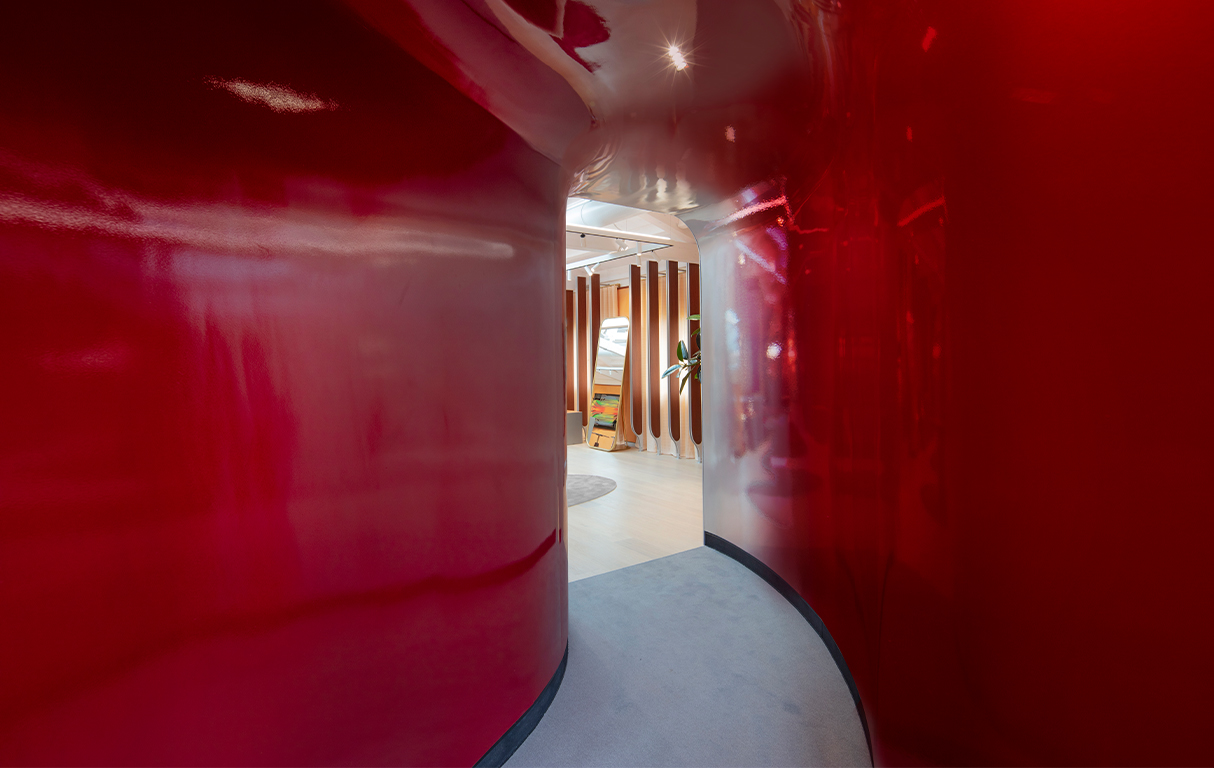
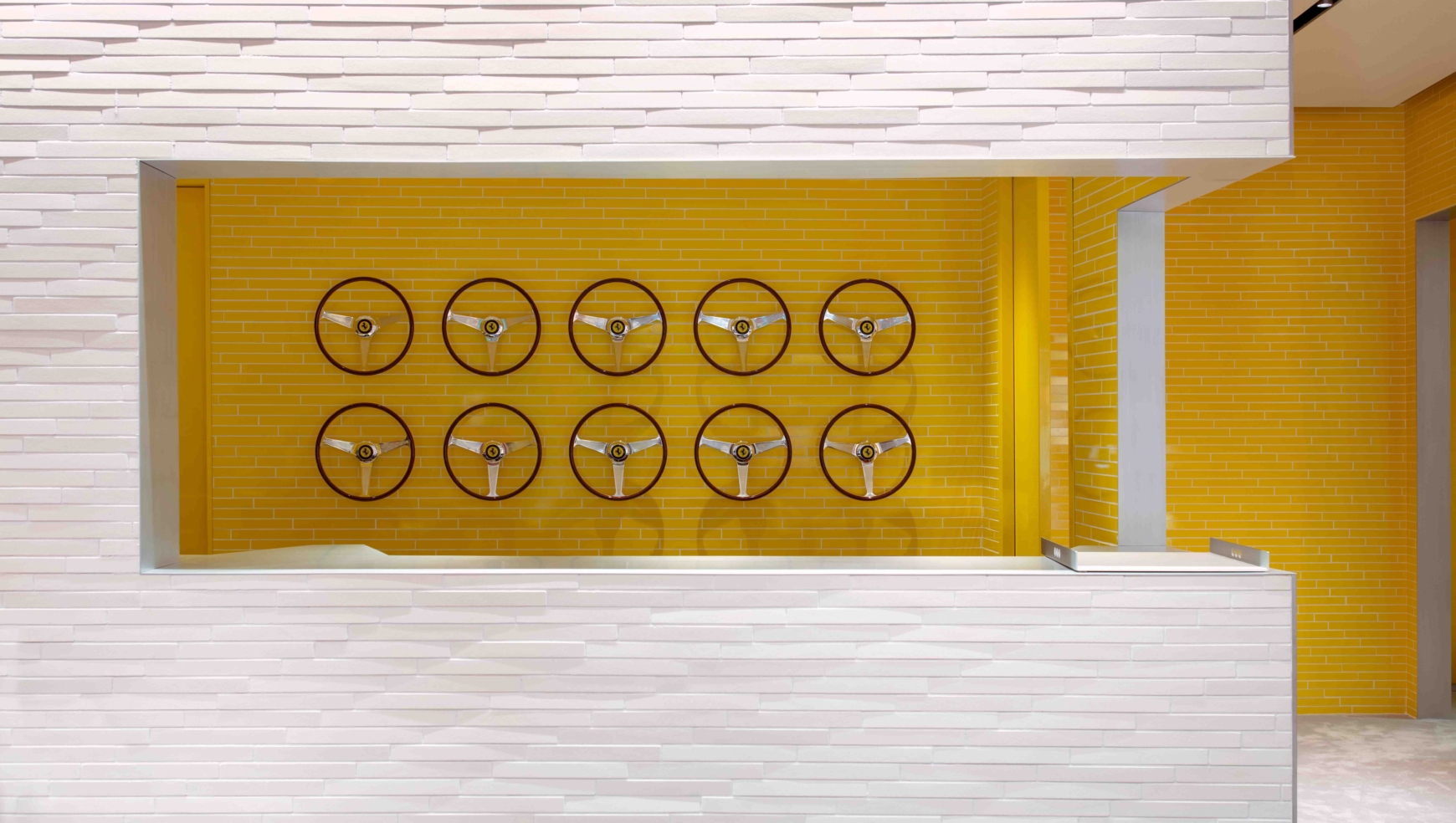
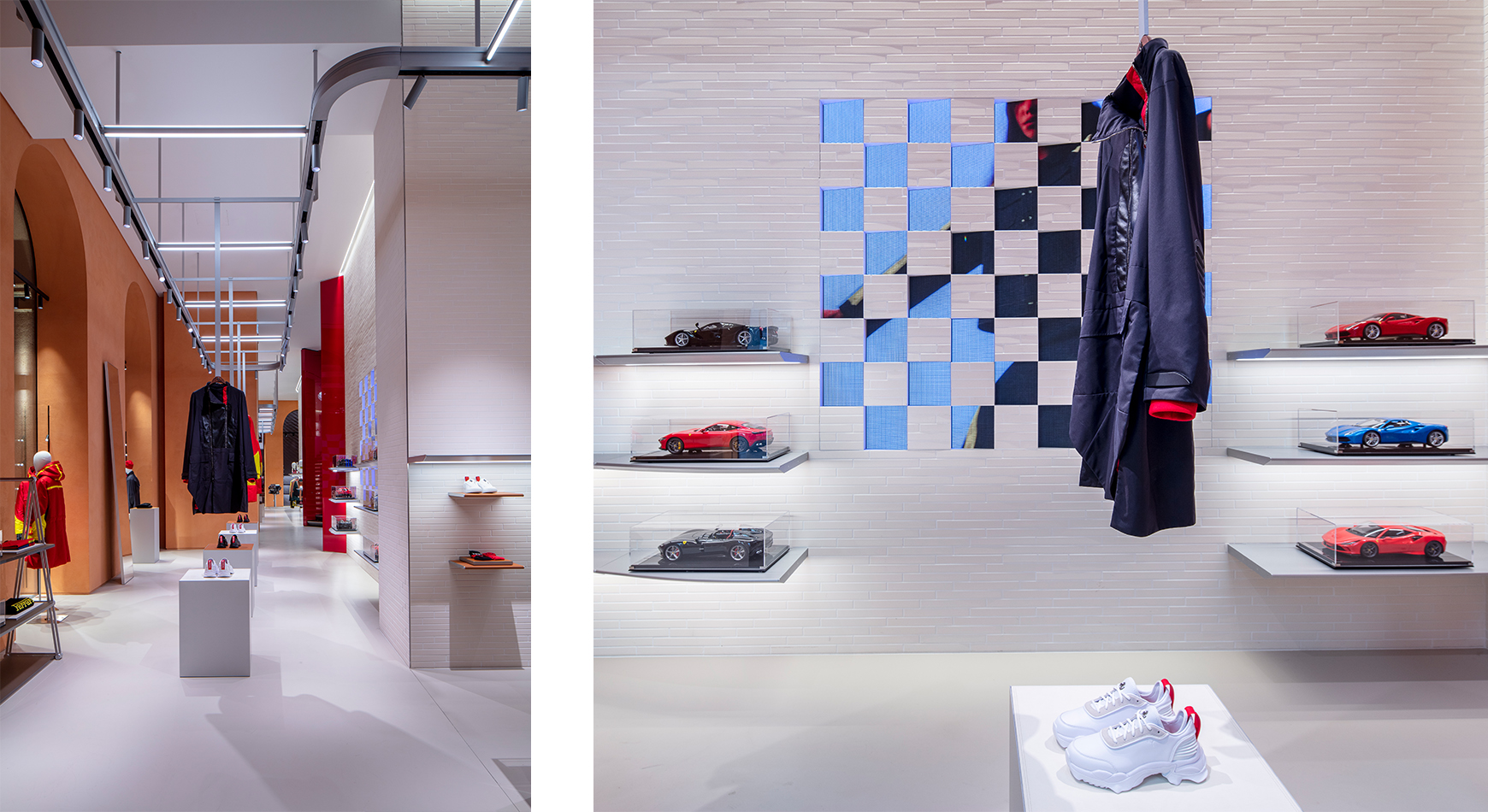
Hand-applied terracotta surfaces reference traditional Italian architecture, while bespoke clay brick walls evoke Ferrari’s design process, where full-scale vehicle prototypes are first sculpted in clay. Signature Rosso Corsa glazing introduces movement and energy throughout the stores, complemented by tactile finishes inspired by the interiors of Ferrari’s vehicles. Together, these materials establish a direct dialogue between fashion, automotive design and architecture, creating a holistic expression of the Ferrari universe.
CONCLUSION
The Ferrari flagships in Maranello and Milan were defined by immersive storytelling, Italian craftsmanship and performance-driven design, demonstrating how architecture can become a powerful extension of brand identity.